
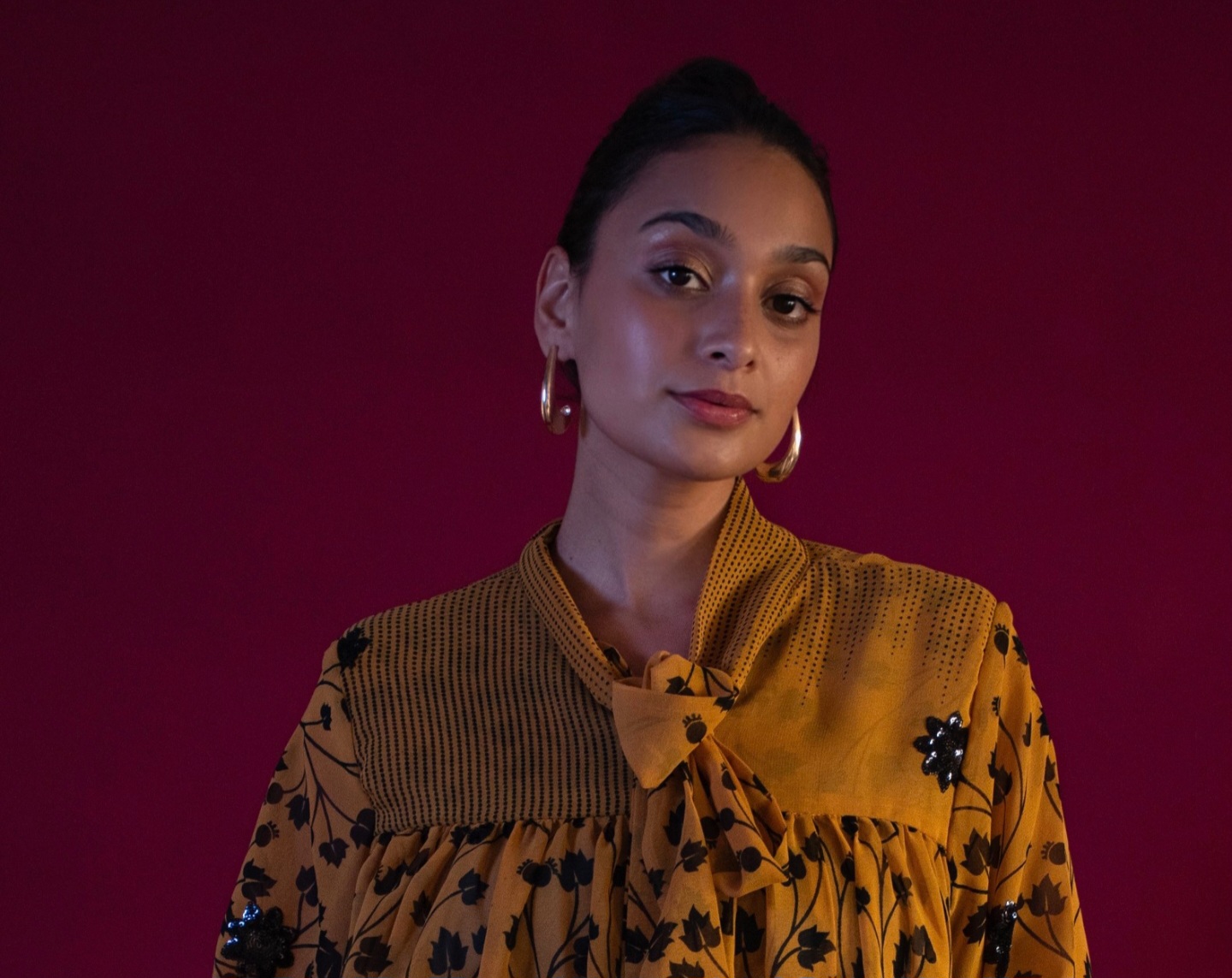
In this series, Mzansi Life and Style Meets, I have a Q&A with people making an impact in the fashion, lifestyle and entertainment industries. Today, we meet Iman Ganijee, Creative and Business Development Lead at Sari for Change.
1. Please tell us what Sari For Change is, in one sentence?
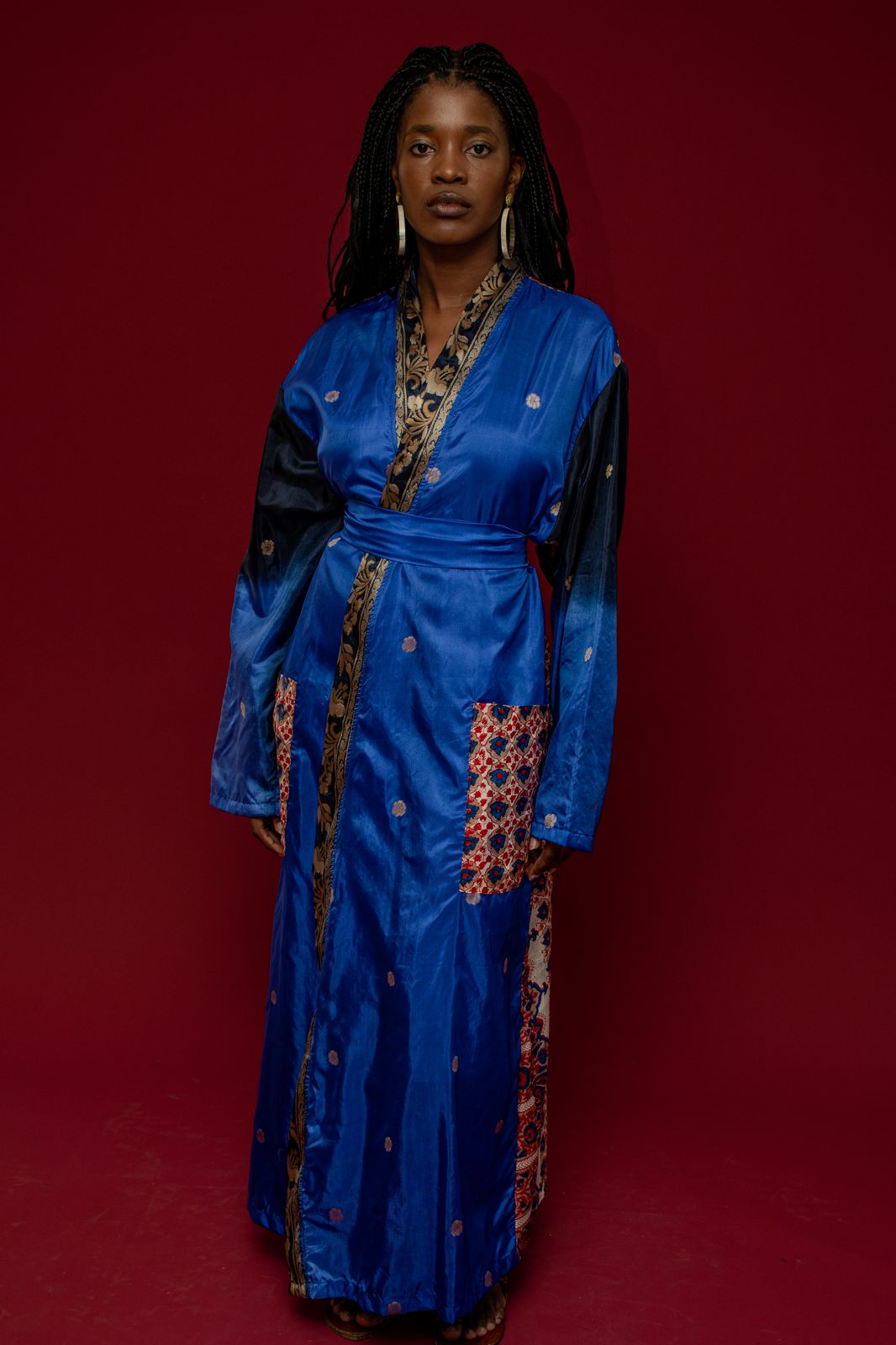
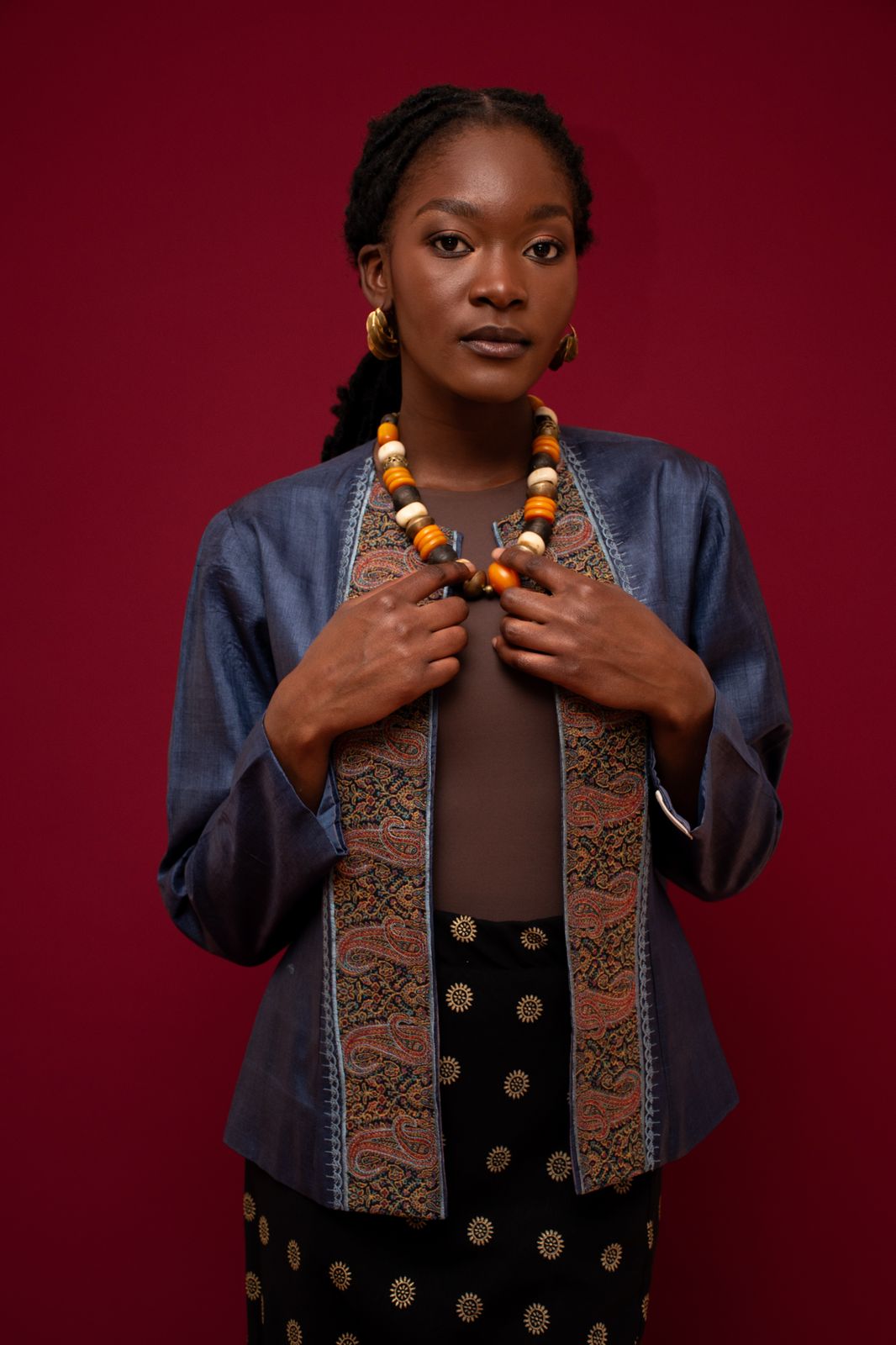
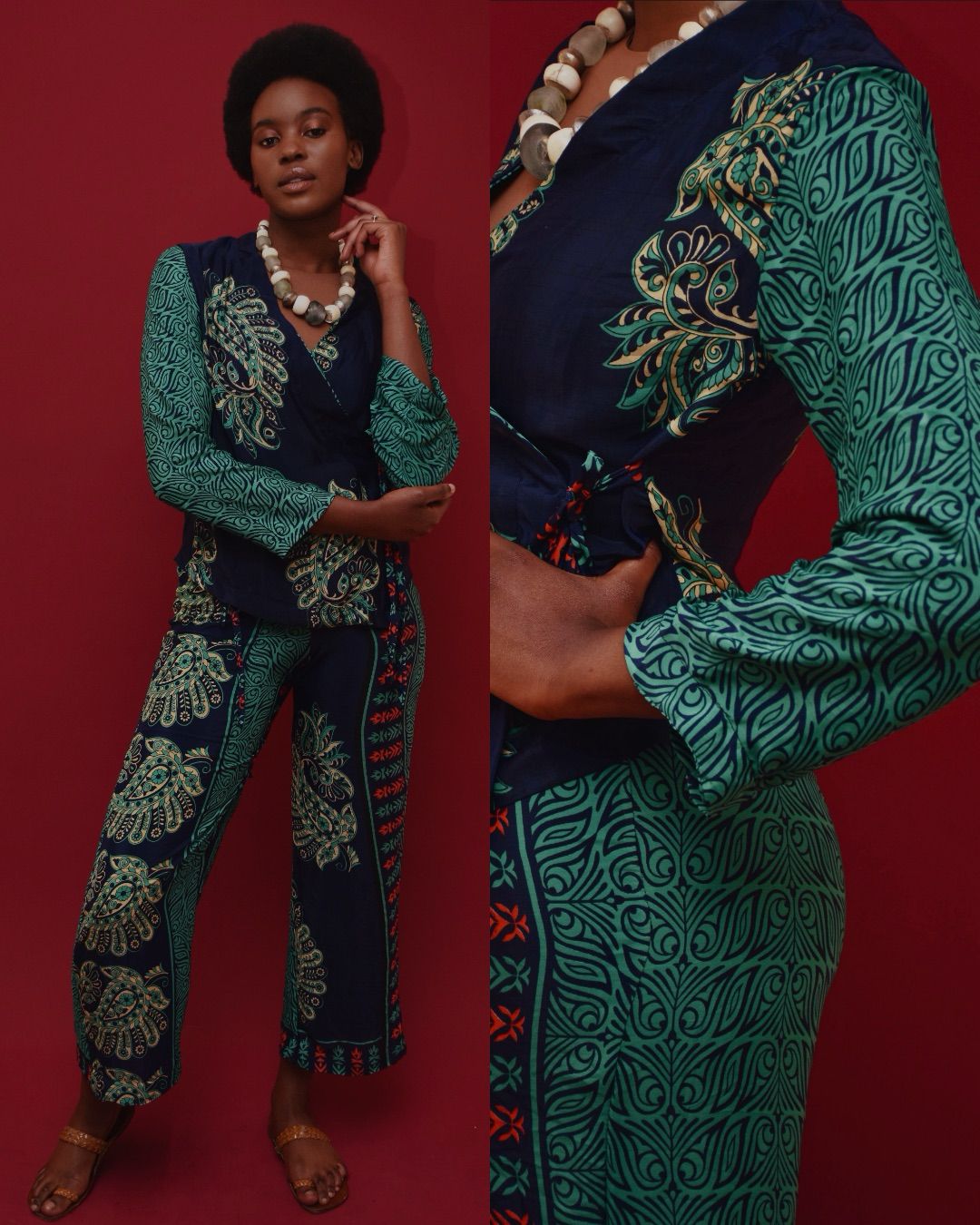
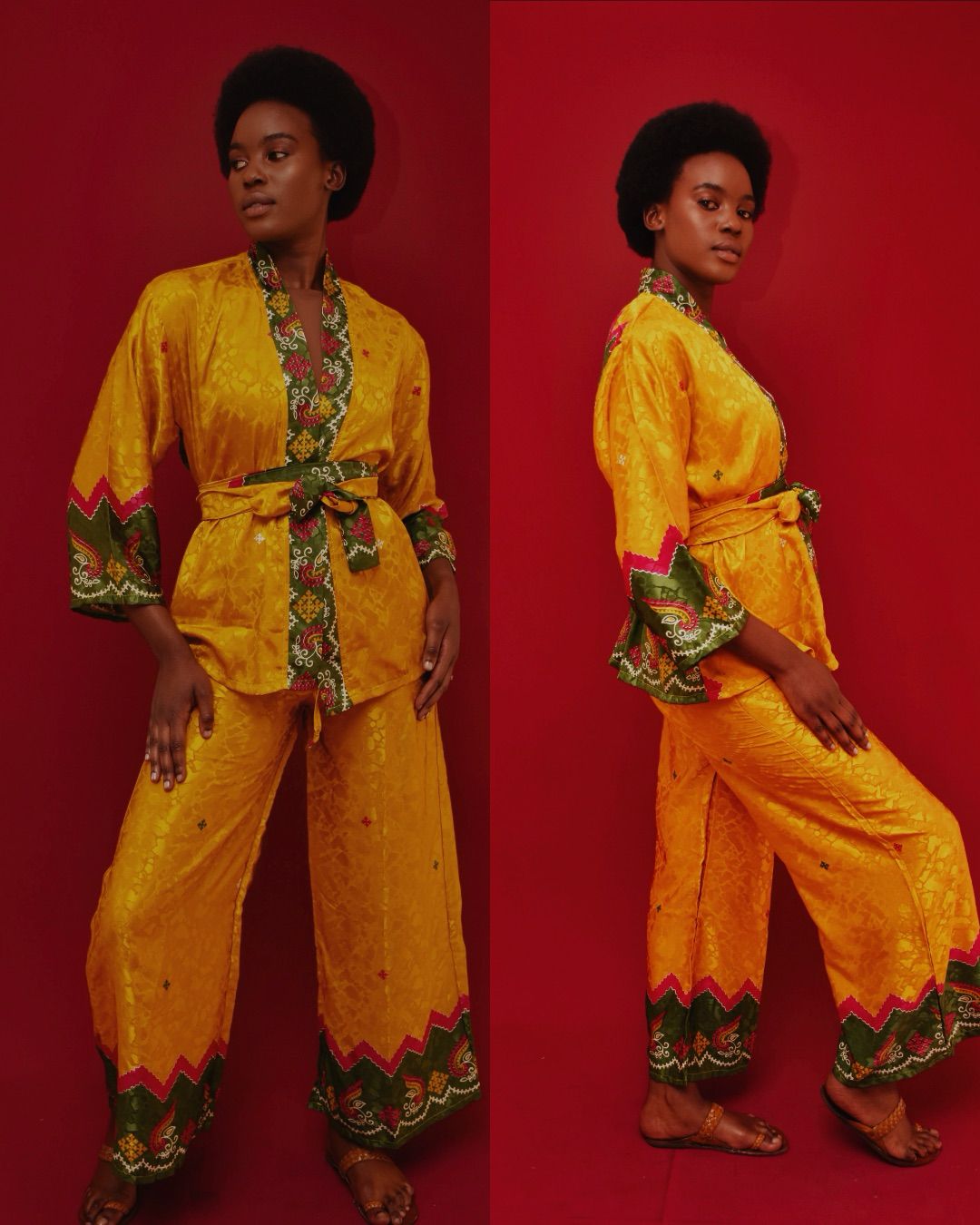
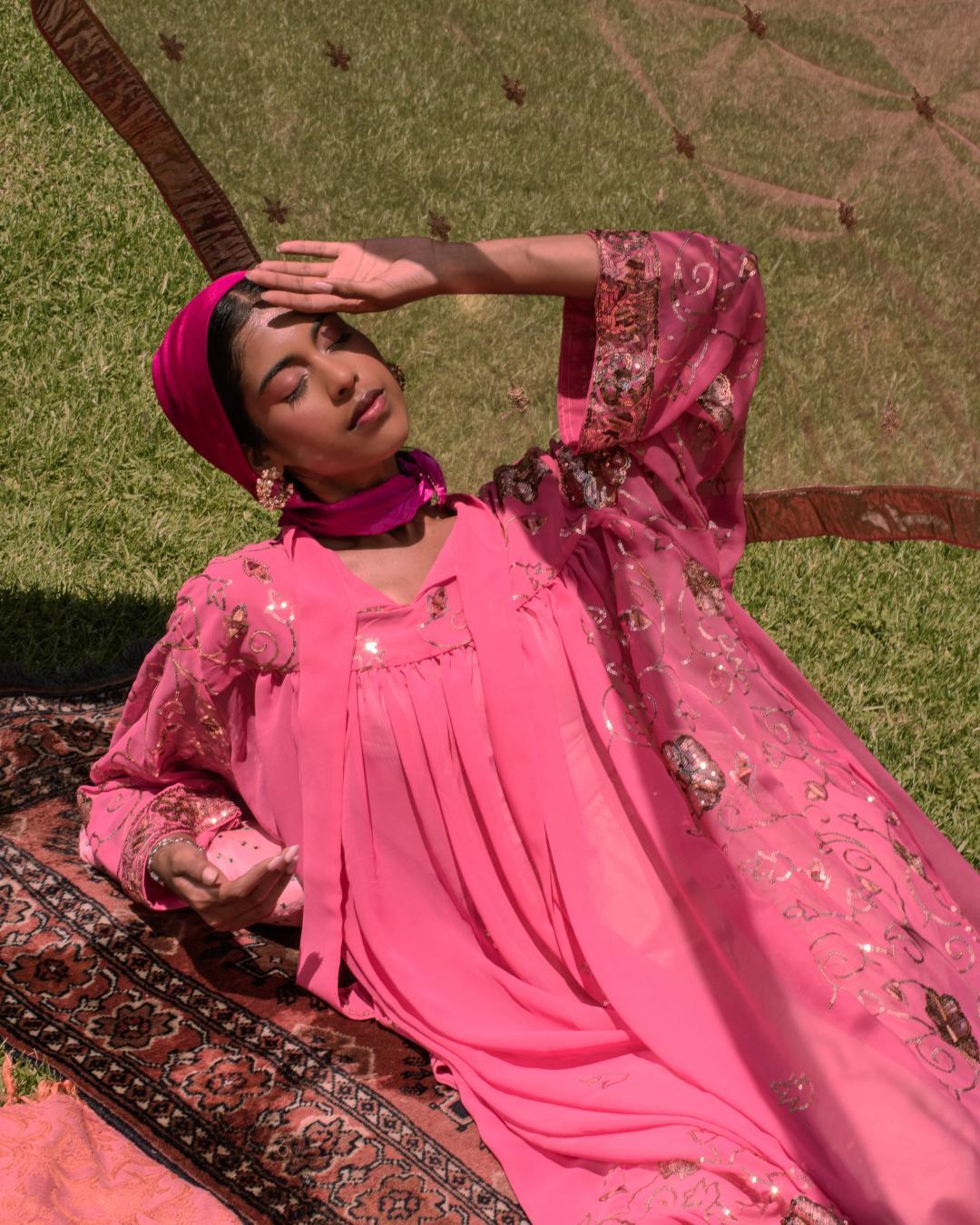
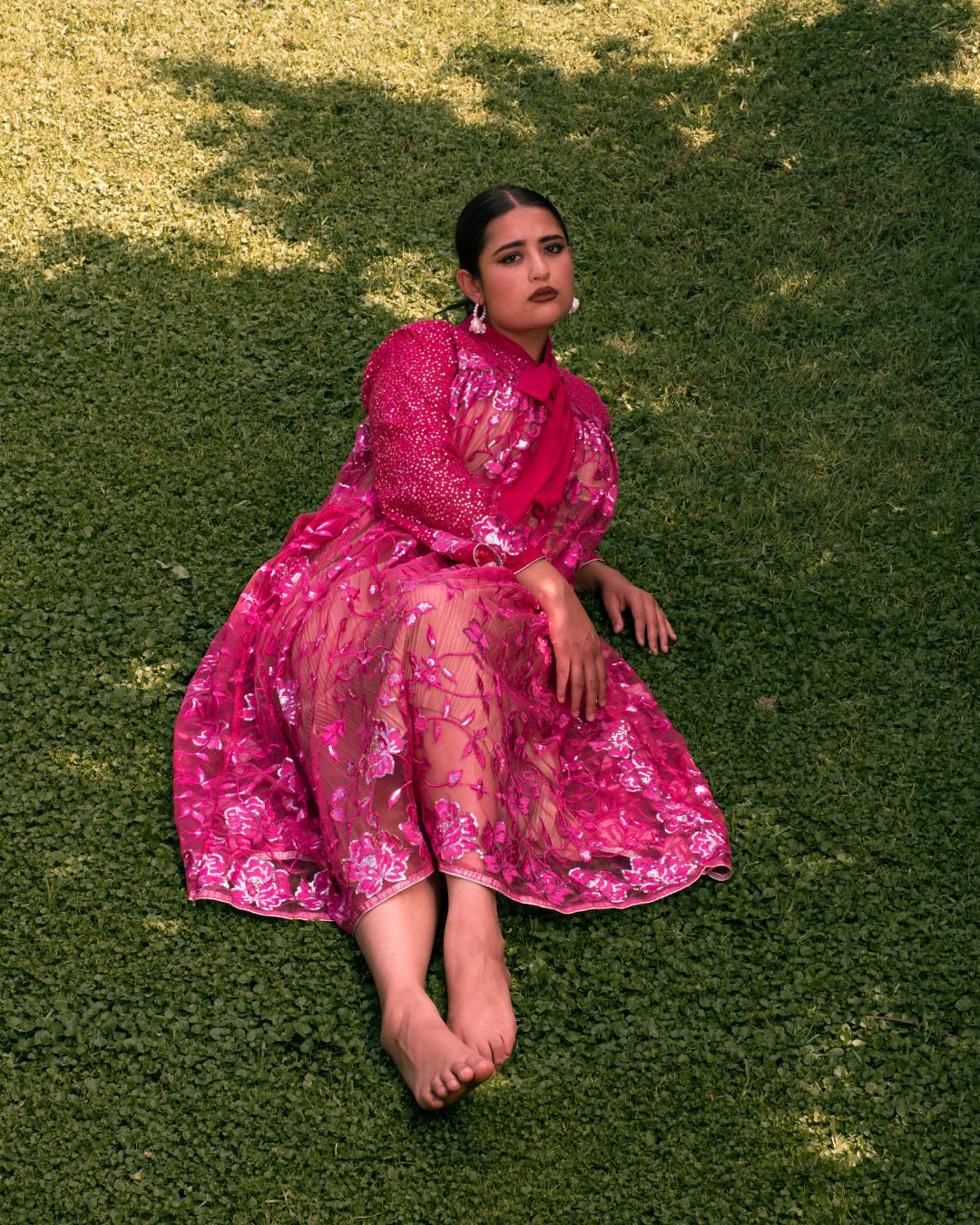
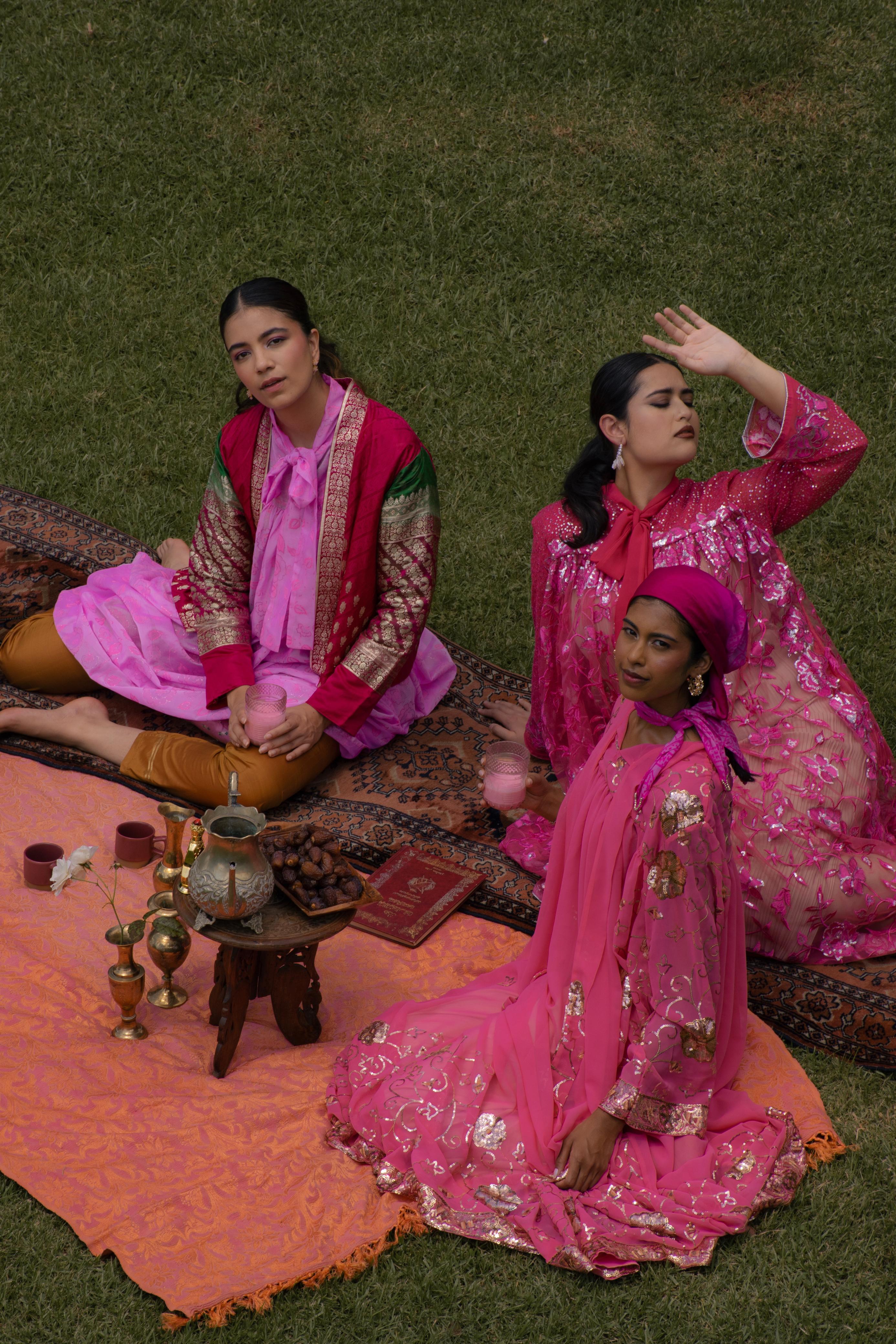
Sari for Change is a social innovation that upcycles donated saris into contemporary, one-of-a-kind fashion pieces while empowering unemployed women through skills training—fostering self-sufficiency, reducing landfill waste, and celebrating evolving identities.
2. Share what inspired you and your mom to start your sustainable fashion brand, SARI FOR CHANGE, and how your journey began?
Sari for Change was born out of a love for the elegance of saris and the realization that so many of these beautiful fabrics were sitting unused in closets. My mother and founder of Sari for Change, Rayana Edwards, who has been in the fashion industry for over 35 years, saw an opportunity to merge sustainability with economic empowerment—transforming these forgotten garments into contemporary pieces while creating work for unemployed women. What started as a passion project has evolved into a movement, proving that fashion can be both ethical and empowering.
3. What challenges have you faced as a young female entrepreneur in the fashion industry, and how have you overcome them?
One of the biggest challenges has been positioning our brand in an industry that often puts labels on fashion. Some saw our work as “too Indian” or “not African enough,” while others dismissed upcycling as second-hand fashion. Overcoming these perceptions required persistence, education, and finding the right audience who values sustainability. Additionally, building a business while training women in an industry that prioritizes mass production has required constant innovation.
4. Tell us about your Young Entrepreneur nominations/wins?
I’ve been honored to be recognized among Mail & Guardian’s 200 Young South Africans in the entrepreneurship category and as one of the 100 Young Nelson Mandelas. These accolades affirm the work we do at Sari for Change, proving that sustainable fashion and social impact can go hand in hand.
5. Sustainability is a broad concept. How do you define sustainability in your fashion brand, and what steps do you take to ensure your products are eco-friendly?
For us, sustainability is about more than just materials—it’s about creating a circular economy where resources are reused, waste is minimized, and people are uplifted. We operate on a zero-waste model, ensuring that even the smallest offcuts are repurposed into accessories or home décor items. We focus on extending the lifecycle of each garment, making them multi-functional and seasonless to encourage longer wear before they ever reach a landfill. Given the high unemployment rate in South Africa, we also see sustainability as an opportunity to bring more women into the fold—not just as employees, but as entrepreneurs. Our goal is to shift mindsets, empowering women to contribute to their own livelihoods and create businesses within the circular fashion economy.



6. Where do you source your materials, and what criteria do you use to ensure they meet your sustainability standards?
We source saris through community donations, often as part of the Hindu principle of Seva (selfless service). It’s incredible to see how people find us through a simple Google search and reach out to donate their saris, entrusting us to give them new life. Our mandate is then to train women in the skills needed to transform these saris into contemporary garments. We focus on high-quality, durable fabrics like silk, chiffon, and georgette – honouring the original craftsmanship of the sari while designing pieces that are multi-functional and seasonless. Every garment is created with intention—celebrating heritage while ensuring modern versatility.
7. How do you balance style and sustainability to create products that appeal to your customers? Tell us about your collaborations with Pick n Pay Clothing and Big Blue?
Fashion should be both beautiful and meaningful. My cultural heritage—being born in Kenya, with Yemeni, Gujarati, Indian, and Malay roots, and my South African experience—has shaped my perspective on fashion as a fusion of identity. Our reversible puffer jackets, for example, were available at Big Blue stores countrywide, heroing the East African khanga on one side and a sari on the other – telling a story of unity through textiles. This approach allows customers to embrace contemporary fashion while holding onto tradition in small but impactful ways.
Working with Pick n Pay Clothing was our first experience creating products for large-scale retail. It taught us valuable lessons in logistics, supply chains, and commercial production. Now, with our growing international presence, we’re stocked in stores in the UK and Italy, proving that sustainable fashion rooted in heritage has global appeal.
8. What role do you think consumer education plays in promoting sustainable fashion, and how do you engage your audience in these conversations?
Education is key. Many consumers don’t realize the true cost of fast fashion—not just in terms of labour exploitation and environmental harm but also in how it disconnects us from the stories behind our clothing. Sustainable fashion is not just about a price tag; it’s about deep stories, craftsmanship, and impact. Every sari we upcycle carries a legacy—memories of weddings, celebrations, and generations past—giving new life to garments that would otherwise be discarded.
We engage our audience through storytelling—via digital platforms, events, and collaborations—to showcase the journey of a sari, the craftsmanship behind our garments, and the real impact of choosing sustainable fashion. By educating consumers on why slow fashion matters, we inspire them to make more conscious choices.
9. In what ways has the rise of digital platforms and social media impacted your business and brand visibility?
Social media has been a game-changer for us. It has allowed us to reframe our brand—not just as a project but as a global social enterprise. When I joined the business, my role was to reposition Sari for Change on a global stage—leveraging social media to connect with international markets, build strategic collaborations, and amplify our impact.
10. What advice would you give to other young women looking to enter the fashion industry, particularly with a focus on sustainability?
Stay true to your values and don’t be afraid to challenge the status quo. The industry may resist change, but the demand for sustainable fashion is growing. Find your niche, build strong networks, and remember that impact-driven fashion can be both ethical and profitable—but it takes time. Sustainability is not just a business model; it’s a long-term commitment to transforming the industry.
If possible, embed a Sustainable Development Goal (SDG) into your business from the start—whether it’s responsible production (SDG 12) or gender equality (SDG 5). Having a clear social or environmental mission will help you stay grounded as you grow.
11. What trends or innovations in the sustainable fashion space are you most excited about right now?
Right now, we’re launching our first capsule collection—designed so that every piece works together, maximizing versatility and longevity. We’re also expanding into downcycling, where garments that have reached the end of their wearable life are transformed into home décor and accessories, extending their usefulness before they reach landfills.
Beyond our work, I’m excited about innovations like regenerative fashion, bio-fabricated textiles, and circular supply chains—which are shifting sustainability from a passing trend to an industry standard.
And to bring it home—the maximalism trend is particularly exciting right now because it complements our aesthetic. We love layering and mixing textiles, and maximalism allows for bold, expressive fashion choices that celebrate cultural richness and individuality.
12. Looking ahead, where do you see your brand in the next five years, and how do you plan to continue evolving your sustainability efforts?
Our mission is to build a conscious fashion ecosystem that not only celebrates heritage-rich traditions but also prioritizes people and the planet. Over the next five years, we plan to:
- Expand deeper into East Africa and build stronger international supply networks.
- Grow our “Adopt a Hub” initiative, training more women to become self-sufficient artisans and business owners.
- Scale our impact globally, showcasing African craftsmanship on the world stage—imagine a luxury garment made from recycled textiles, crafted in Soweto, and sold in Switzerland.
Sustainable fashion is more than an ethical choice—it is a powerful tool for cultural preservation, economic empowerment, and social impact. Each woman we empower becomes a contributor to the economy, and their children—our future leaders—witness these role models shaping their own destinies. This is how we change the world—one stitch at a time.
Here’s a video of the most recent Sari For Change fashion show that I attended in October 2024, just to give you a look at the range.
Who is Iman Ganijee?
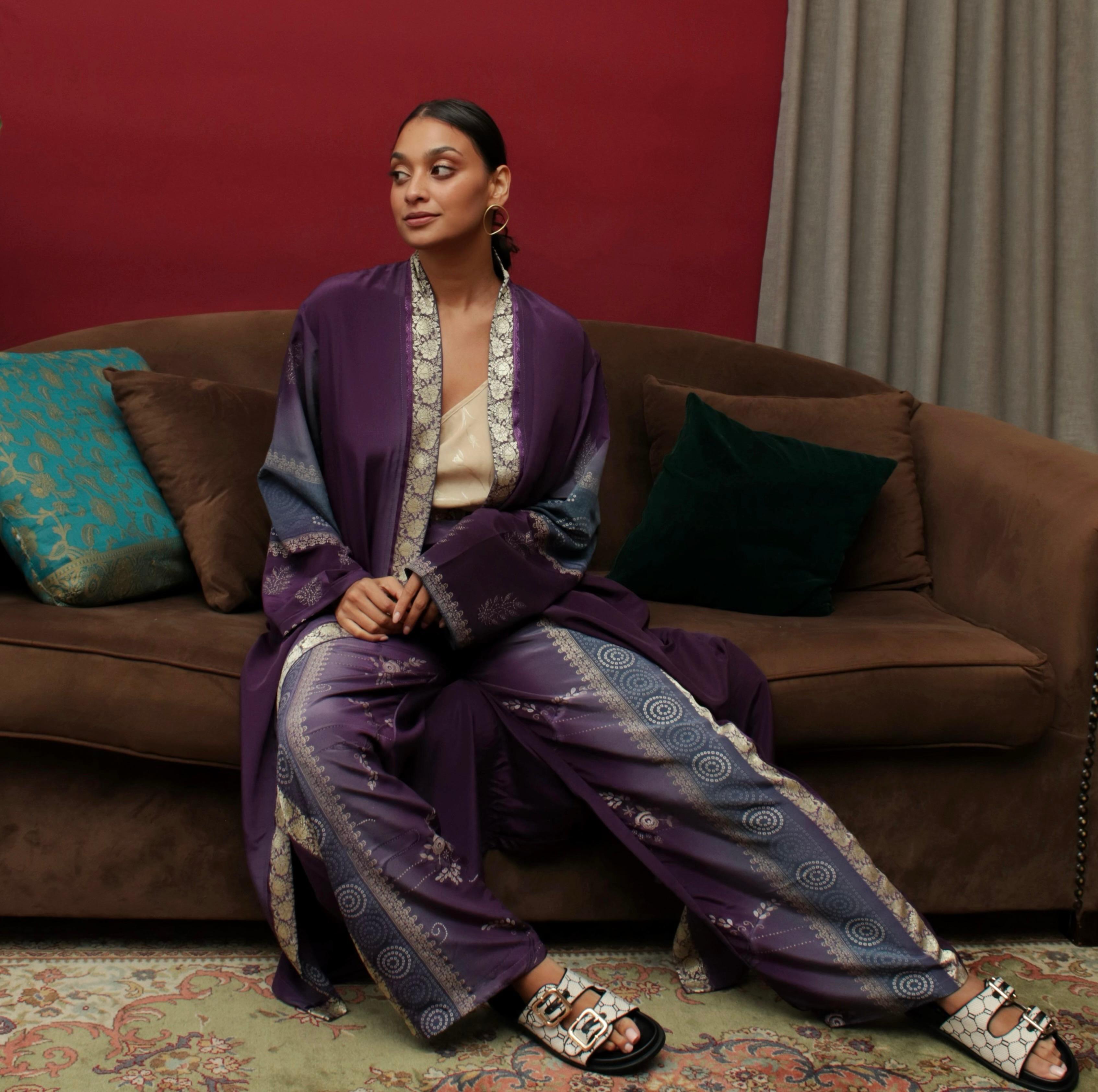
Iman Ganijee is a dynamic individual whose diverse expertise and passionate pursuits have shaped a remarkable professional journey. As the Creative and Business Development Lead at Sari for Change, Iman channels her dedication to sustainability, cultural preservation, and citizenship into innovative initiatives that make a tangible difference. Through her initiatives at Sari for Change, which include creating one-of-a-kind garments through the upcycling of saris, her business has empowered 120 women with sewing and related business skills, and has saved 15,000 saris from landfill waste.
With a Bachelor of Commerce degree with Honours in Politics, Philosophy, and Economics (PPE), Iman possesses a strong foundation in understanding the intersection of socio-political dynamics and economic systems. This academic background equips her with a unique perspective on addressing complex global challenges.
Driven by a desire to catalyze positive change, Iman is the founder of The Alternative, a creative agency that specializes in building brands with a focus on sustainability, climate action, and cultural preservation. Through this agency, Iman leverages her expertise in business development and creative flair to empower brands to align with values that resonate with conscious consumers, while also providing digital skills training to unemployed youth.
Iman has been honoured as one of Mail and Guardian 200 Young South Africans in the entrepreneurship category and recognized among the 100 Young Nelson Mandelas for her impactful contributions.
Follow Sari For Change on:
Instagram: @sariforchange_
 Mzansi Life & Style by Mishkah Roman-Cassiem